Behind Closed Doors: The Real Lives of Milan's Escorts
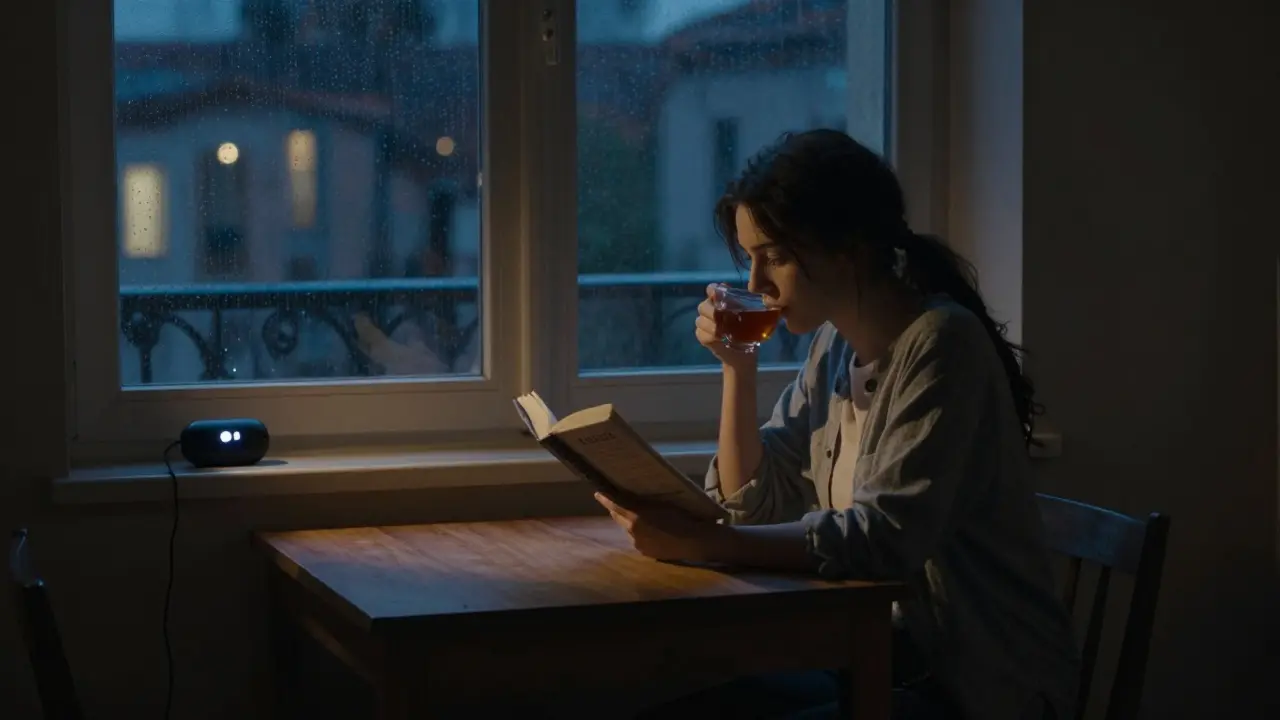
Most people see Milan as a city of fashion, finance, and fine dining. But behind the polished facades of Brera and the glitter of the Galleria, there’s another side-quiet, hidden, and rarely talked about. This is the world of escorts in Milan. Not the sensationalized version you see in movies. Not the clickbait headlines. This is what actually happens when someone chooses this line of work-and what it costs them.
How It Starts
Many who become escorts in Milan didn’t wake up one day and decide to do this. For most, it begins with a need. A rent payment due. A student loan. A sick parent. A visa that’s about to expire. One woman, who asked to be called Sofia, moved here from Romania at 22. She spoke three languages, had a degree in architecture, and worked in a café. When the café closed, she took a job as a companion for a wealthy Italian businessman. That was five years ago. She still works part-time. "I never thought I’d be doing this," she told me. "But I’m not homeless. I’m not in debt. I can pay my sister’s tuition. That’s what matters." There’s no single profile. Some are students. Others are single mothers. A few are retired professionals who found themselves alone after a divorce. The common thread? Control. They set their own hours. They pick their clients. They decide what’s acceptable. It’s not about being trapped. It’s about choosing a path that gives them more freedom than a 9-to-5 ever could.Who Are the Clients?
Contrary to what you might think, most clients aren’t sleazy businessmen or drunken tourists. In Milan, the majority are middle-aged professionals-lawyers, architects, doctors-who live alone. They don’t want sex. They want company. A conversation. Someone to share a quiet dinner with. A hand to hold during a movie. One regular client, a 58-year-old engineer, has been seeing the same escort for seven years. "She knows my habits," he said. "She remembers I hate garlic. She brings the right wine. She doesn’t ask me why I’m lonely. She just lets me be." The industry here is built on discretion. No names. No photos. No public profiles. Clients pay through encrypted apps. Meetings happen in rented apartments, quiet hotels, or even private gardens. The escort never gives out her real address. She uses a different name each time. The client never knows her last name. That’s the unspoken rule.
The Rules No One Talks About
There’s a code. It’s not written down. But everyone knows it.- Never talk about your life outside work. Not even a little.
- Never accept gifts that can be traced-jewelry, cars, expensive watches.
- Always carry a panic button. Even if you think you won’t need it.
- Never meet alone in a place you haven’t checked twice.
- Never let anyone know your real name. Not even your landlord.
The Cost of Silence
The money is good. Top escorts in Milan earn between €3,000 and €8,000 a month. Some make more. But the price isn’t just financial. It’s psychological. Many struggle with loneliness. Not because they’re isolated-they’re surrounded by people every night-but because those connections are temporary. They can’t tell their families. They can’t post on social media. They can’t bring someone home. One woman, who worked for three years before quitting, said she cried for two weeks after her last client. "I realized I hadn’t had a real conversation with a friend in over a year. Not one that wasn’t about my schedule, my bills, my safety." There’s also the fear. Fear of being recognized. Fear of being reported. Fear of what happens if a client gets violent. Fear of what happens if the police come knocking. Even though escorting isn’t illegal in Italy as long as no money changes hands for sex, the gray area is thick. Police can shut down a meeting. Landlords can evict. Banks can freeze accounts if they suspect "unusual activity." And then there’s the stigma. One escort, who now works as a freelance translator, said she still gets looks when she walks into a bookstore. "I used to be the quiet girl who read Proust in the corner. Now I’m the woman who works nights. Even though I’ve changed careers, people still whisper."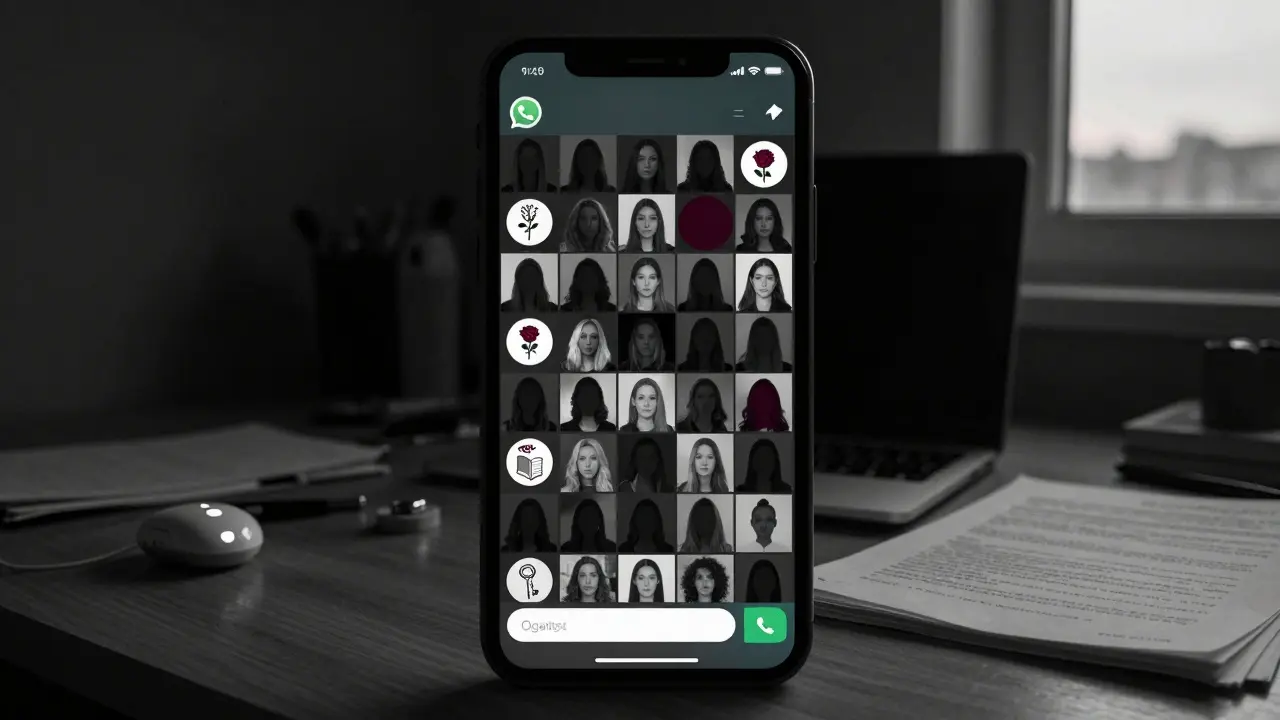
What Happens When They Leave?
Some leave after a few months. Others stay for years. A few never leave. Those who do exit often struggle to rebuild. A resume with gaps. A credit history flagged by banks. A name that’s been whispered in hotel lobbies. One woman, who worked for four years, tried to get a job at a nonprofit. She was rejected because the background check flagged "unexplained income." She had to go to court to prove the money came from escorting, not illegal activity. It took six months. Some turn to therapy. Others start blogs. A few become advocates. One former escort, now in her late 30s, runs a small support group in Milan. It’s not official. No website. No public contact. Just a WhatsApp group with 47 women. They talk about rent, safety, mental health, and how to find a new career without being judged.The Bigger Picture
Milan’s escort scene isn’t about sex. It’s about loneliness in a city of millions. It’s about survival in a country with no social safety net for independent workers. It’s about women-and some men-who chose autonomy over stability. The people who do this aren’t broken. They aren’t desperate. They’re pragmatic. They’ve calculated the risks. They’ve weighed the cost. And they’ve decided that, for now, this is the best path they have. Most of them don’t want pity. They don’t want to be rescued. They just want to be seen-for who they are, not what they do.Is escorting legal in Milan?
In Italy, escorting itself isn’t illegal. What’s banned is prostitution-exchanging money for sex. Many escorts in Milan operate in the gray zone: they charge for companionship, dinner, or time, but never explicitly for sexual acts. The law is vague, and enforcement varies. Police can shut down meetings if they suspect illegal activity, but arrests are rare. Most cases are handled quietly, with warnings or fines.
How do escorts in Milan find clients?
Most use private, encrypted apps or referral networks. Some work through discreet agencies that vet clients and handle payments. Others rely on word-of-mouth from trusted contacts. Social media is avoided-no Instagram, no public profiles. The most common method? A quiet website with no photos, no names, and a contact form that requires a code word. Trust is built slowly, over months, not days.
Do escorts in Milan have other jobs?
Yes. Many have side gigs-freelance writing, translation, tutoring, or remote tech work. Some are students. Others are artists or musicians. The escort work is often part-time, used to cover rent or debt. Full-time escorting is rare. Most people don’t want to be defined by it. They use it as a tool, not a career.
Are there male escorts in Milan?
Yes, but they’re far fewer. The market for male companionship exists, mostly for older women or LGBTQ+ clients. Male escorts often charge more per hour but have fewer clients. They face even more stigma. Many work under pseudonyms and avoid public spaces entirely. Their clients are usually discreet professionals, not tourists.
What happens if an escort gets hurt or harassed?
Reporting abuse is risky. Many fear retaliation, exposure, or being labeled as criminals. Some use anonymous hotlines run by NGOs. Others turn to underground support groups. A few have successfully pressed charges-but only after changing their names, moving cities, and severing all digital traces. Safety is built in advance: panic buttons, fake appointments, check-in systems with trusted friends. Prevention is the only real defense.